

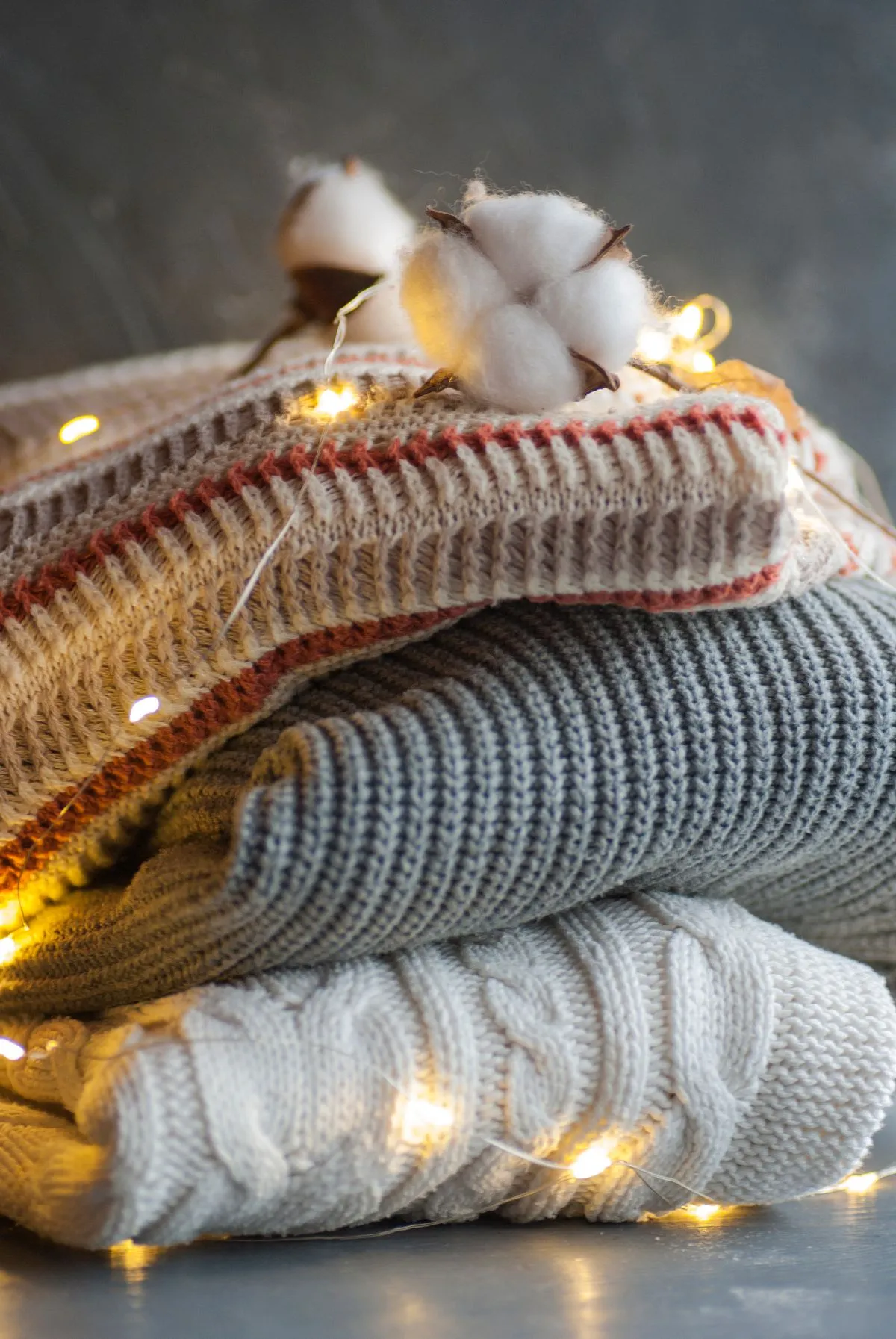
Free carbon-neutral shipping over $75. 60-night trial. 6,200+ five-star reviews. GOTS and OEKO-TEX certified.
Organic cotton · Merino wool · Mulberry silk

Take the plastic
off your skin.

Everyday essentials spun from three fibers and three fibers only: organic cotton, merino wool, and washed mulberry silk. No polyester. No microplastics shedding into your body every time you move. Just what humans wore for 8,000 years, cut for the life you live now.

4.9 from 6,248 reviews. Join 40,000+ who took the plastic off.

  • GOTS organic certified
  • 60-night sleep-in-it trial
  • Carbon-neutral shipping
A person in a soft camel-colored organic knit sweater, adjusting the collar in calm natural studio light

As featured in

40,000+
people took the plastic off
1.2M
microfibers kept out of the ocean per order
4.9 / 5
from 6,248 verified reviews

Shop

Start with one essential.

Begin with a tee. Most people never go back to plastic.

  • Organic cotton

    The one you reach for daily. GOTS organic, garment-dyed.

    4.9 (2,341)
    $55
  • Organic cotton

    Heavyweight and structured. Holds its shape wash after wash.

    4.8 (1,107)
    $78
  • Merino wool

    17.5-micron merino. Warm, never itchy, odor-resistant for days.

    4.9 (864)
    $165
  • Organic cotton

    A throw-on layer with real buttons and an easy drape.

    4.9 (502)
    $128
  • Washed silk

    6A grade silk, machine-washable. Sleeps and layers beautifully.

    4.8 (679)
    $115
  • Merino wool

    Loose, lofty, made for slow Saturdays.

    5.0 (221)
    $148

Free carbon-neutral shipping over $75 60-night trial free returns

6,248 reviews and counting

People do not go back to plastic.

  • Verified buyer

    The Everyday Tee

    I have eczema and react to most fabrics. Three weeks in these and my skin finally calmed down. I am not exaggerating.
    Maya R., a smiling woman in a white top Maya R.
  • Verified buyer

    The Merino Crew

    Wore it four days straight on a trip. Zero smell. I genuinely do not understand how, but I am sold.
    Andre W., a man in a white tee Andre W.
  • Verified buyer

    The Mulberry Silk Cami

    I bought one to test it. I now own six. It is the only thing that does not make me sweat at night.
    Priya S., a woman in a black turtleneck, laughing Priya S.
  • Verified buyer

    The Boxy Crew

    I threw out every poly shirt I owned after reading the microplastics research. No regrets. These just feel better.
    Daniel R., a bearded man in an olive shirt Daniel R.
  • Verified buyer

    The Ribbed Cardigan

    It cost more than I usually spend. Then I realized I wear it every single day. Cheapest thing in my closet per wear.
    Sofia M., a young woman in a taupe top Sofia M.
  • Verified buyer

    The Everyday Tee

    Bought one for my kid's sensitive skin. Now the whole family has switched. Wish we had done it years ago.
    Marcus T., a young man in a white linen shirt Marcus T.

The problem with your closet

Most of what you wear is plastic.

Polyester, nylon, acrylic, "performance" blends: they are all plastic, spun from crude oil and pressed against your skin about 16 hours a day. Here is what that actually does.

  • 60% of all new clothing is polyester

    Odds are you are wearing oil right now.

  • 700,000 microfibers shed per wash

    One polyester load. They end up in rivers, fish, and you.

  • 200+ yrs to break down in landfill

    Your $12 gym shirt will outlive your grandchildren.

  • In our blood microplastics now found in human blood, lungs and placentas

    Detected across studies from 2022 to 2024.

The honest version

Polyester does not breathe. It traps heat, sweat and bacteria, then it sheds into you and the water. The fix is not a better plastic. It is no plastic.

See the science

Three fibers, zero plastic

What we make everything from.

Three materials humans have trusted for thousands of years. Each does something plastic simply cannot.

A soft cotton boll resting on a cream organic-cotton knit, fibers catching the light.
Organic Cotton GOTS

Organic cotton

Softer with every single wash.

  • Breathes. Lets heat and moisture escape so you never overheat.
  • Gentle. No plastic resins or formaldehyde finishes sitting on your skin.
  • Compostable. Returns to soil in months, not centuries.

Pesticide-free · GOTS certified · garment-dyed
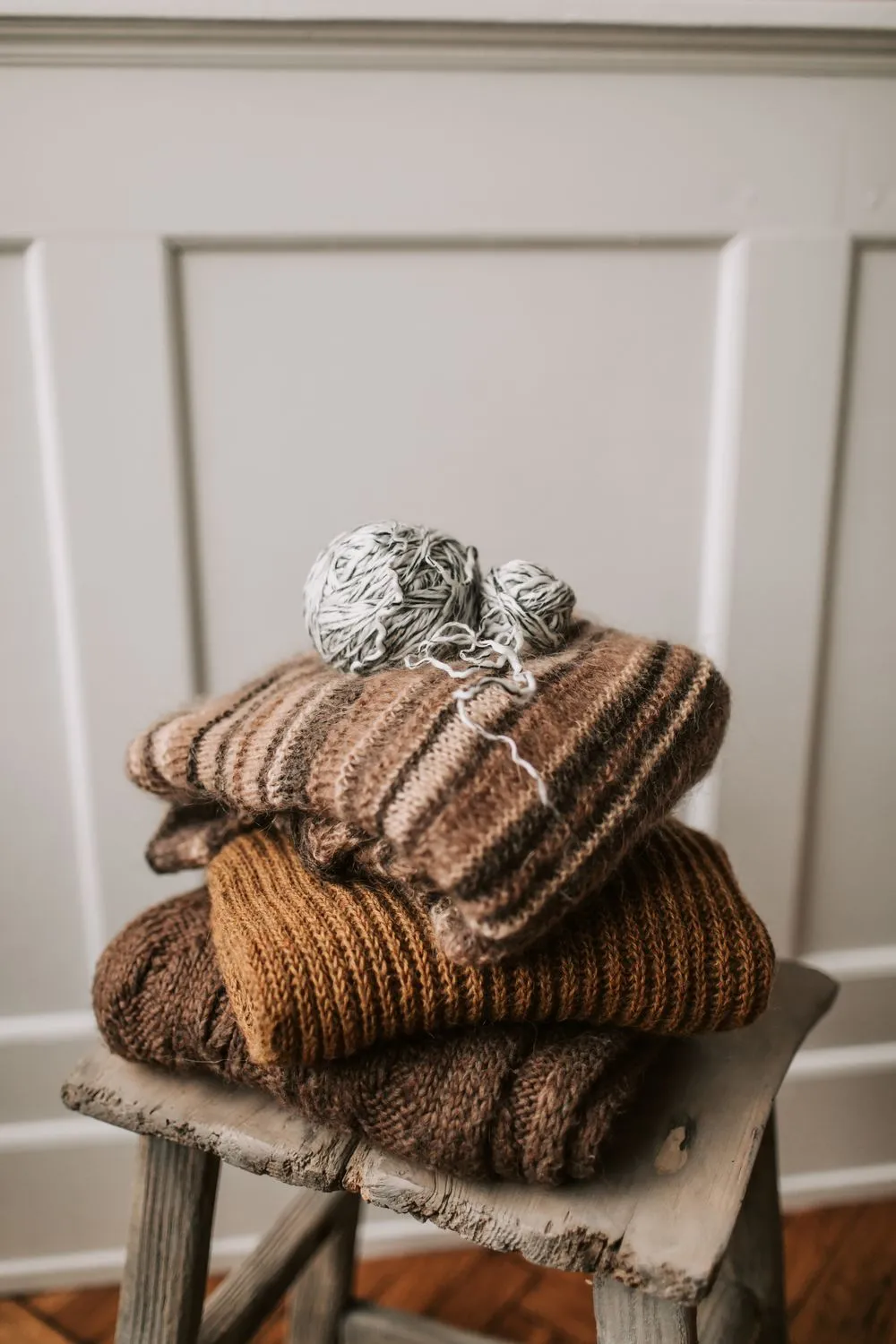
Folded merino wool knits stacked on a wooden stool beside a ball of natural yarn.
Merino Wool RWS

Merino wool

Nature's performance fabric.

  • Regulates. Warm when it is cold, cool when it is not.
  • Stays fresh. Naturally antimicrobial, so it resists odor for days.
  • Wicks. Moves sweat away and dries fast, no funk.

17.5 micron, no itch · mulesing-free · RWS

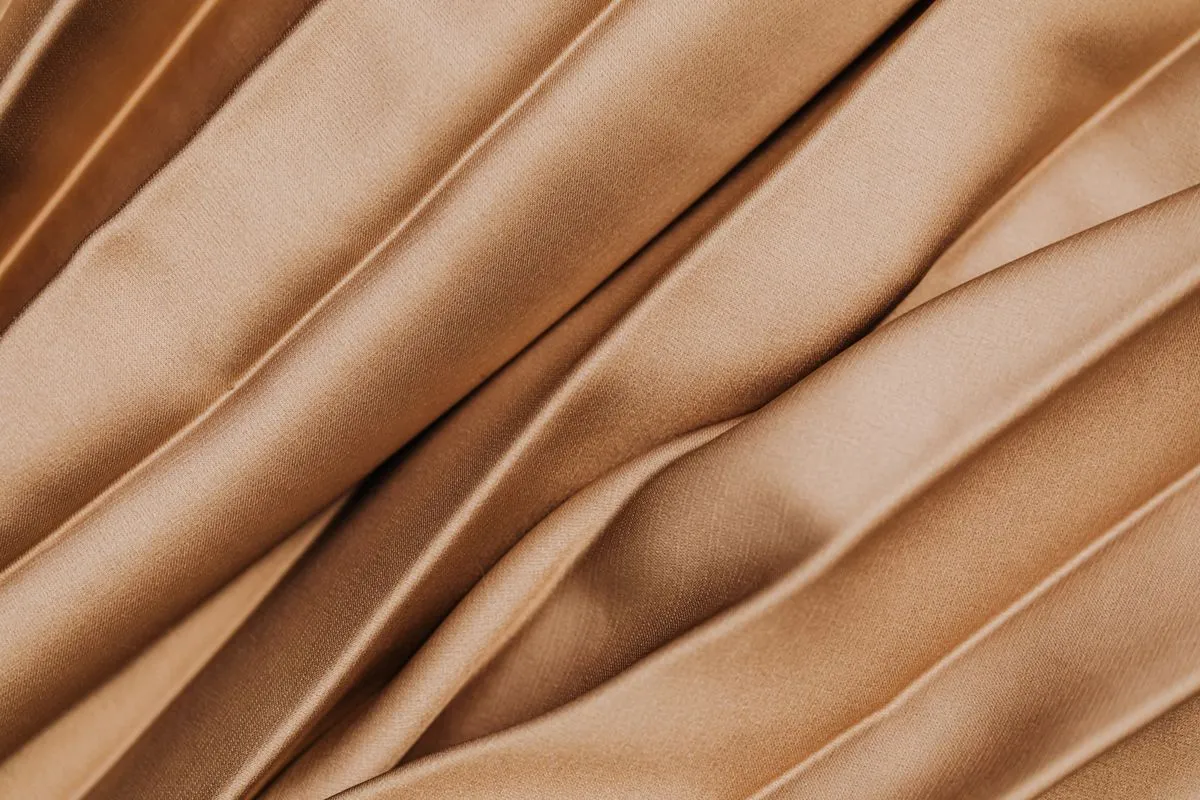
Beige pleated mulberry silk catching a soft sheen across its folds.
Mulberry Silk OEKO-TEX

Mulberry silk

The skincare you get to wear.

  • Glides. Less friction means gentler on hair and skin.
  • Breathes. Cool in heat, warm in cool, always light.
  • Hypoallergenic. Naturally resists dust mites and mildew.

6A grade · washed · machine-washable

For the people who want the receipts

The science, not the slogans.

We are happy to nerd out. Here is what is actually happening at the fiber level.

Cross-sections of cotton, wool and polyester fibers cotton wool polyester hollow & irregular solid plastic

Natural fibers are hollow and irregular. They trap air, move moisture, and let skin breathe. Polyester is a solid plastic rod: water sits on top, heat stays in.

Microfibers shed per wash by fiber type Microfibers shed per wash ~700,000 ~negligible ~low polyester org. cotton biodegrades merino

The plastic ones do not just shed more. What they shed never breaks down. Natural fibers biodegrade instead.

Vapor and heat escaping natural fiber versus trapped by polyester natural fiber skin polyester skin

Your body dumps about half a liter of vapor a day. Natural fibers let it out. Plastic bounces it back as sweat.

  • Up to 4°C cooler in heat internal wear tests
  • 0 microplastics shed - it biodegrades instead fiber composition
  • 80% of samples of human blood tested contained microplastics 2022 study

Fieldspun vs. the $12 tee

Why one good shirt beats ten plastic ones.

Cheap plastic clothing is only cheap until you count the replacements, the smell, and what it leaves in your body.

Fieldspun natural fiber compared with conventional polyester across six attributes
Attribute Fieldspun Natural fiber Conventional polyester Plastic from oil
Microplastics shed into you Zero 700,000+ per wash
Breathability Breathes, regulates heat Traps heat and sweat
Odor control Fresh for days Smells by lunch
Breaks down naturally Months, composts 200+ years
Skin-safe, no plastic finishes Yes Resins and dyes
Backed by 60-night trial + lifetime repairs Nothing

The math

Cost per wear tells the real story.

A $55 organic tee worn 300+ times is about 18¢ a wear. A $12 plastic tee that pills in six weeks costs you more - in money, and in microplastics.

Shop the essentials

The feeling

The softest thing you own should also be the safest.

You spend a third of your life in whatever is against your skin. It might as well feel like a hug and do you no harm. That is the entire idea behind Fieldspun.

Elena Marsh, founder of Fieldspun, in a beige knit sweater beside a sunlit window

Why we exist

It started with a pajama label.

I had just had my daughter when I actually read the tag on her "cotton" sleeper. It was 92% polyester. Plastic, against the most sensitive skin I had ever touched. I could not unsee it.

Fieldspun is the brand I went looking for and could not find: everyday clothes made only from fibers that grow, traceable from farm to closet, and priced so a family can actually make the switch. No greenwashing. Just three honest fibers.

Traceable from farm to closet
Elena Marsh Founder · Newburyport, MA

No risk, all upside

Sleep in it for 60 nights.

Wear it. Wash it. Actually live in it. If your skin does not thank you, send it back for a full refund, even if it is worn. And we repair anything we make, free, for as long as you own it.

  • 60-night trial.

    Return it worn, washed, and loved. Full refund, no debate.

  • Repairs for life.

    Pop a seam or a button? We fix it free, forever.

  • Carbon-neutral shipping.

    Both ways, on us for orders over $75.

  • 1% for the Planet.

    A slice of every order funds clean water and healthy soil.

GOTSOEKO-TEXRWSClimate Neutral1% for the Planet

Before you ask

Honest answers.

Isn't $55 a lot for a t-shirt?

For a plastic tee, yes. For an organic-cotton one you wear 300+ times over years, it is about 18 cents a wear, and you buy far fewer. Quality is the cheaper habit.

Is the merino wool itchy?

No. We use 17.5-micron merino, finer than a human hair. The scratchy wool you remember was thick, coarse fiber. This feels like a soft tee.

Is polyester really that bad?

It is plastic from crude oil. It does not breathe, traps odor, and sheds microplastics now found in human blood, lungs, and water. We would rather just not wear it.

How do I care for it?

Cold wash, hang or tumble low. That is it. The silk and merino are machine-washable. Treated gently, these last for years.

Is the silk ethical?

We use responsibly sourced mulberry silk and full plant-based options if you prefer. Every fiber is OEKO-TEX tested for skin safety.

Where is it made?

Designed in Newburyport, MA and sewn in small partner mills that pay fair wages. Every fiber is traceable to its source.

What is your return policy?

Sleep in it for 60 nights. If it is not for you, return it worn for a full refund. We also repair anything we make, free, forever.

Still wondering about something? We answer every message ourselves. Ask us directly

Make one swap

Your skin will notice by the weekend.

Start with a tee. Keep the plastic out of the one place it matters most: against you.

4.9 ★ · 6,248 reviews · 60-night trial · carbon-neutral shipping